Where Do You Stand in the AI Era?
AI User, AI Enabler, or AI Native: Which One Are You?
Who in the world doesn't know that AI is today's trend—the new era and a tool that's come to dominate many areas? You've definitely heard this on social media or from friends.
The software industry has weathered many such hype cycles, but reality often proves otherwise. Three years ago, most engineers focused on good software design and coding best practices—you'd read many blogs about refactoring and software design. Where have those conversations gone?
Should we learn AI?
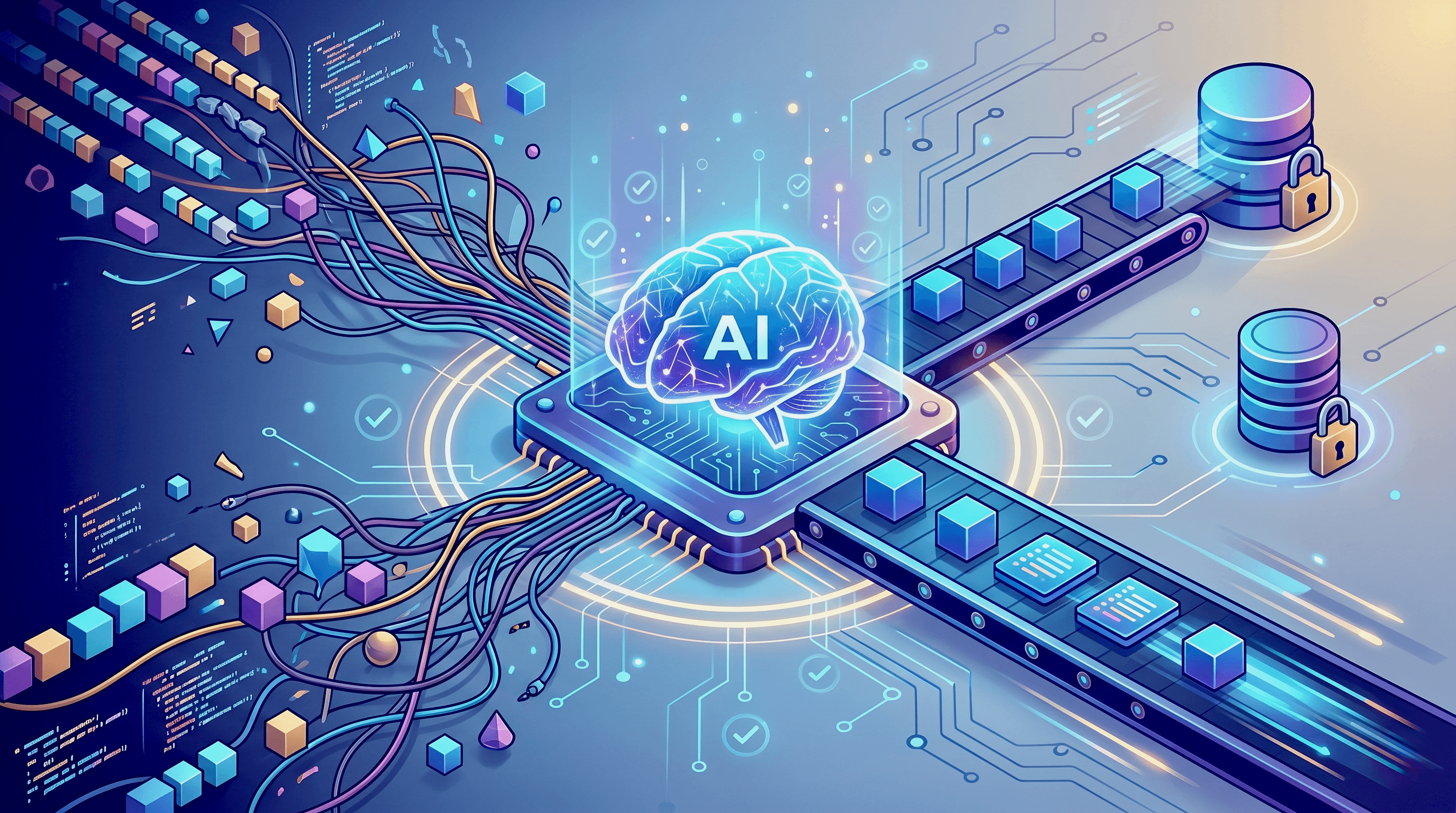
This is an important question. Before answering, let's clarify the term "AI." Artificial Intelligence is not new; it's a decades-old discipline rooted in mathematics and related fields. Generative AI ("Gen AI"), which most people talk about today, is only one subfield of this broader science.
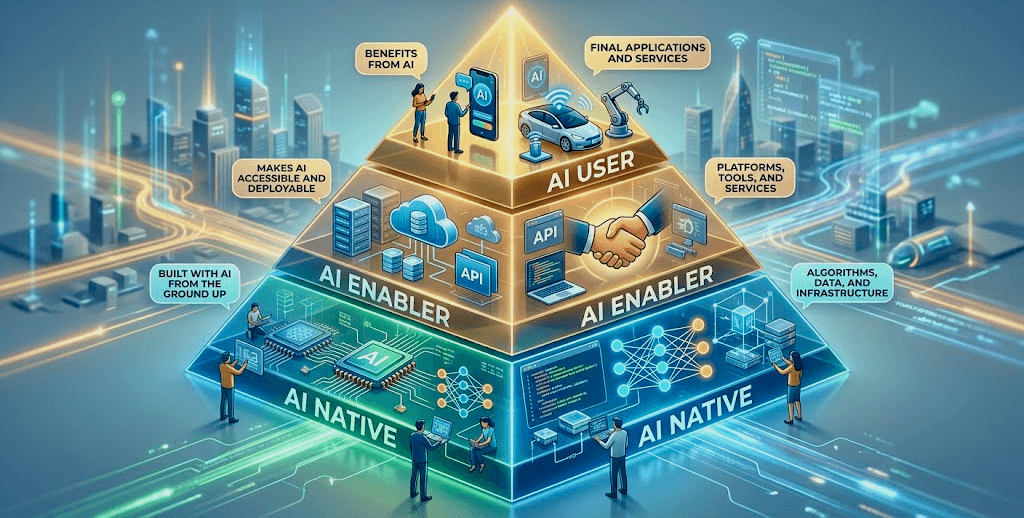
You should know where you stand to choose the right level of learning. There are three types of AI users in the market today:
AI User: A typical user who looks for ready-made platforms that provide AI capabilities — for example, chatbots or chat models like ChatGPT or Gemini.
AI Enabler: An engineer who is not specialized in AI but can integrate it into business workflows; they can deploy UI features that increase productivity.
AI-native Engineer: Someone specialized in AI who can build and fine-tune models. They create the core layers used by the other two types.
Most likely you'll fall into one of the first two roles — AI User or AI Enabler. If you're AI-native, you'll be highly valued, and others will rely on you.
You don't need to be AI-native
Some engineers believe that, because they are not "AI-native," they can't pursue this path. That's a misunderstanding. The problem is that those engineers haven't clearly defined where they stand. Today, Gen AI provides tools designed to be simple to learn and use. Engineers still need to learn foundational concepts, as they would with any new technology.
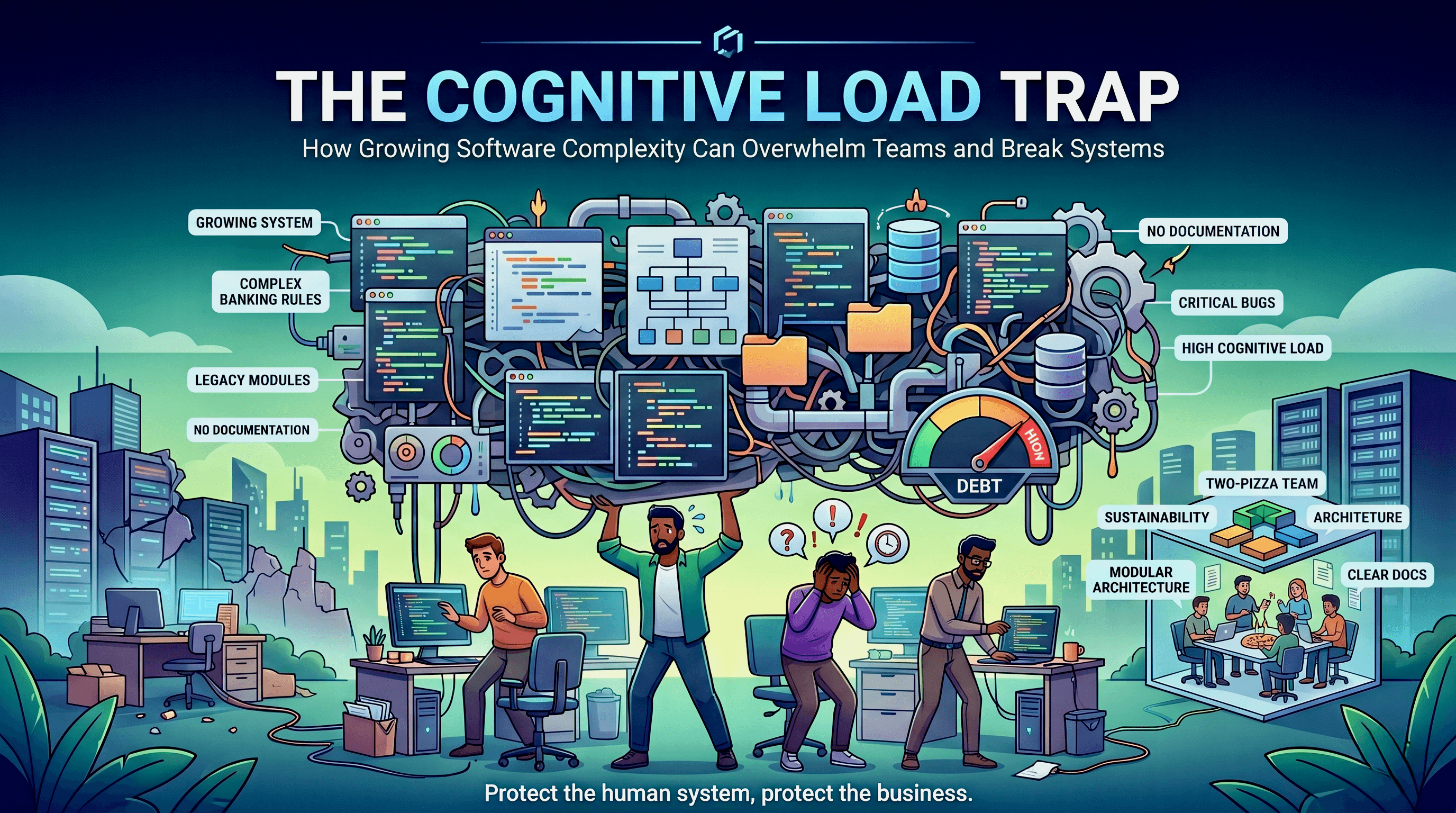
You'll find that Gen AI is closely related to topics many engineers are already familiar with, such as distributed systems and cloud‑native applications. You won't build an AI agent just to keep it on your local machine — you'll deploy it, publish it, and announce its availability and usage. Over time you'll build many AI agents, sometimes forming multi‑agent systems (MAS). This is essentially distributed‑systems work, so you'll need to understand core concepts such as service‑to‑service communication, database‑per‑service, fault tolerance and resilience, and other related topics.
Once you understand what an AI model is, how agents provide model capabilities, and the common applications and use cases for AI agents, you'll be able to identify and recommend appropriate solutions when you encounter the right use case.
Do we still need to write code?
Short answer: Yes — what else should a software engineer do?
Long answer: As with much in the software industry, it depends. It depends on what you're doing. If you're performing routine tasks you used to do daily, AI can be a better choice to save time.
General rule of thumb: Use AI for coding patterns you've implemented many times before, and avoid relying on it when building new systems or solving novel problems.
Another important consideration is experience. Being away from coding for a long time will definitely impact your expertise. I understand that some activities aren't rocket science and are often very similar, but don't get me wrong — I'm talking about the minimum viable knowledge you should retain for your career level.
AI Won't Fit Everything!
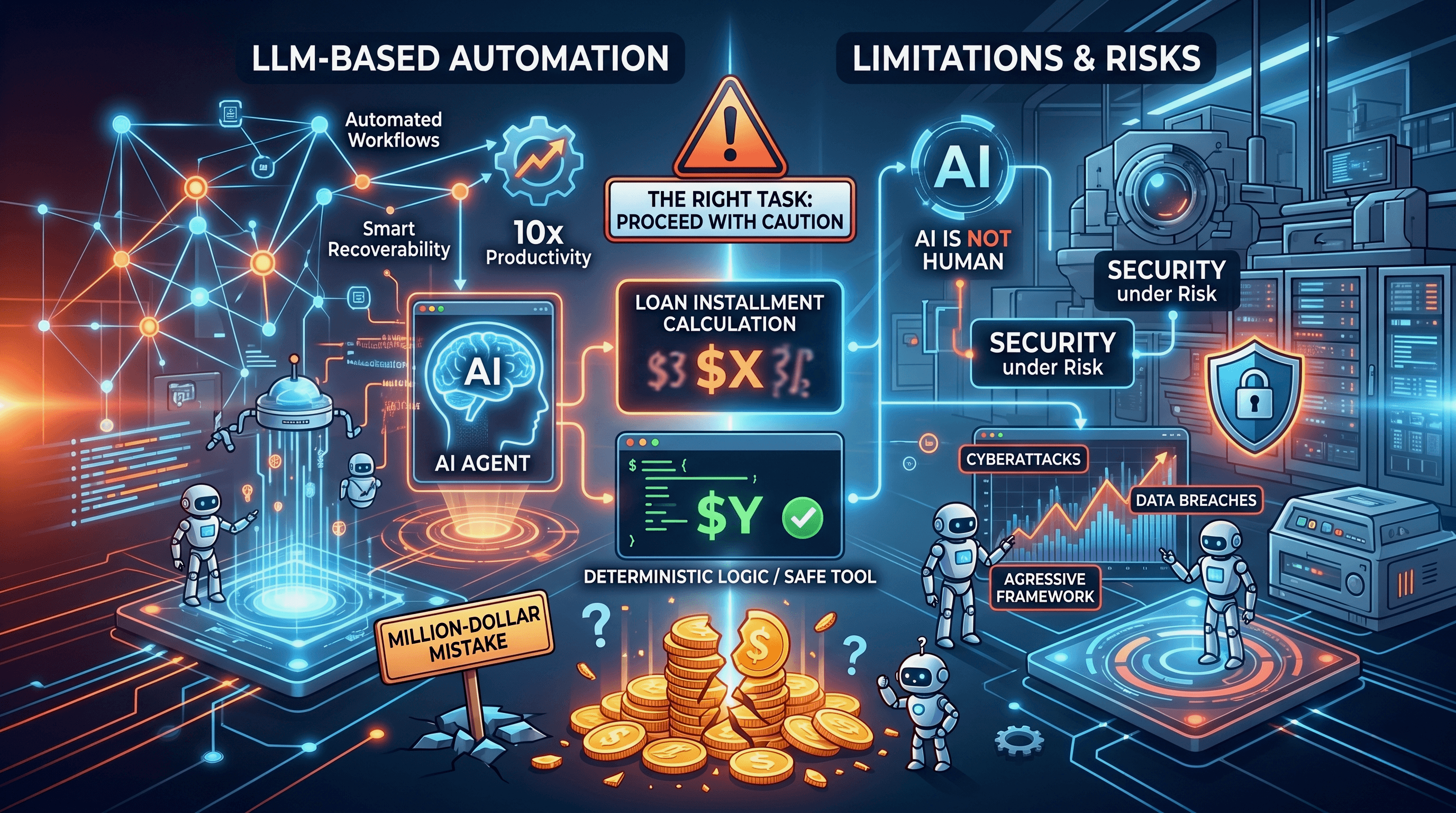
From my experience, I found many limitations for AI, starting from human attributes like creativity, and even ending with software core areas like Software Architecture. Be careful when you deal with such areas, AI at the end is a machine which behaves to be smart, yet, everything is mathematical thinking—probability and optimisation to be more specific.
This means, you should never blindly trust AI result, errors are inevitable! Always think about system reliability, and how it affects the customer experience when reliability suffers.
Where do you go from here?
Wherever you sit on the pyramid — User, Enabler, or Native — the path forward is the same: understand the tool, know its limits, and keep your fundamentals sharp. AI is a powerful accelerator, but it works best in the hands of engineers who still know how to think independently. The goal isn't to be replaced by AI — it's to be the kind of engineer who knows exactly when and how to use it.